I currently have three medium button-up polos hanging in my closet right now. They’re the exact same brand, exact same cut, bought six months apart. One fits my seven-year-old son Jackson perfectly, one makes me look like I’m trying to conceal watermelons under my arms, and one actually fits me.
This isn’t a weird anomaly. This is life as an American man shopping for clothes in 2024.
I was helping my friend Mike move a few springs back and we got on the topic of how clothes almost never fit correctly. Mike is slightly husky like me, maybe 15 pounds on me, but wears pants half a size smaller because of it. Didn’t make sense to me until his wife Lauren (Lauren not married to me, different Lauren) told me that she’d taken him to Nordstrom one day and had him properly measured by their tailor. Mike had literally been buying the wrong size pants for the last decade because he’d been estimating his waist size based on shirts he bought in college.
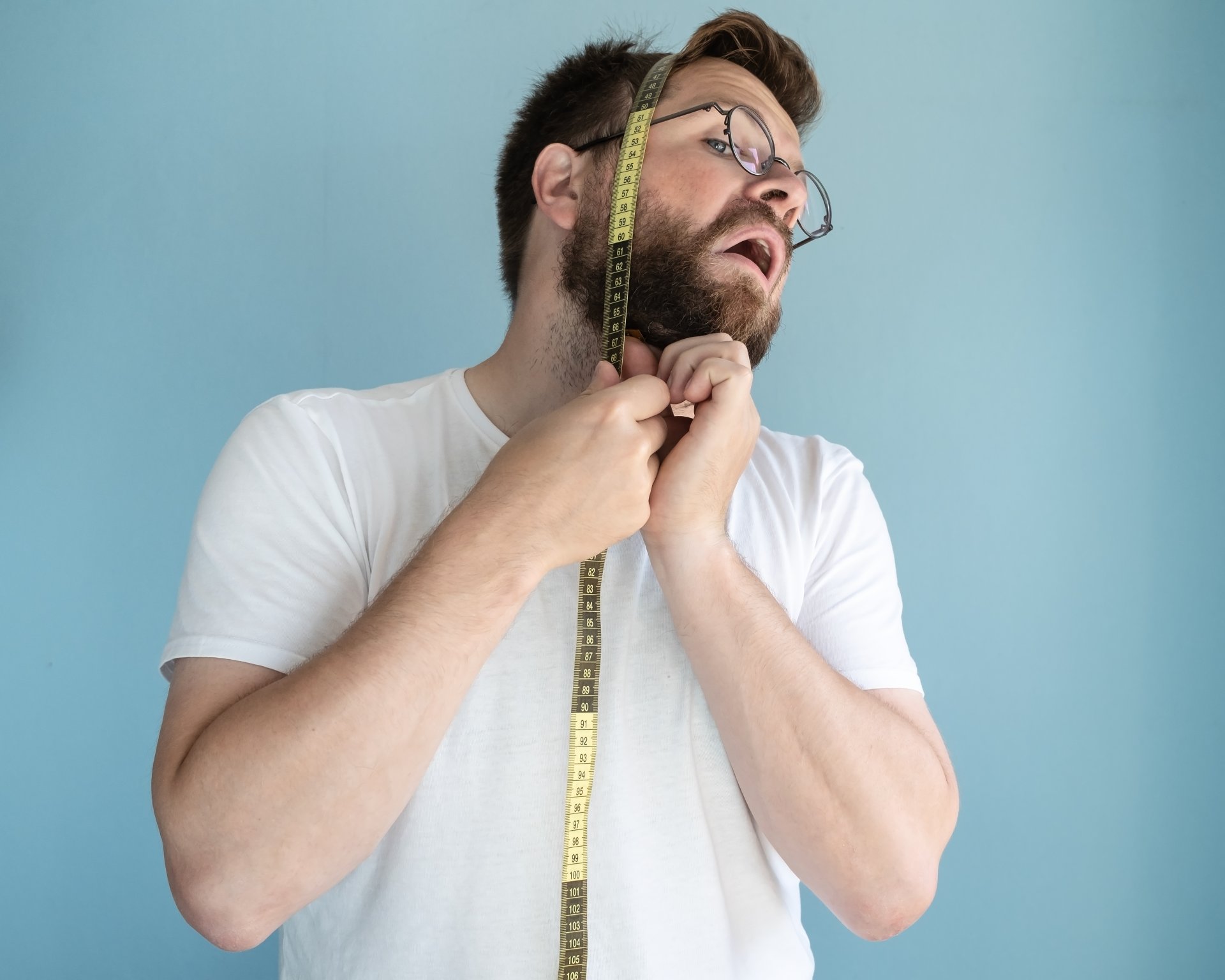
I let the whole shirt sizing issue frustrate me for so long I actually broke down and bought myself a tape measure. Embarrassing sitting in your bathroom at 6am measuring yourself and your boy Jackson keeps asking why his shirt is being taped to Dad, but it turns out I’d also been buying the wrong size shirts my whole life. Been purchasing large button ups when I was actually a medium in most brands.
Shirt sizing is awful and has exponentially gotten worse since I started paying attention to my clothes. When I wasn’t dressing with any intention I could care less if a shirt felt tight around my shoulders. Once I started trying to look presentable as an adult human being, it got under my skin.
Here’s what I’ve learned after five years of buying new clothes, endless returns, and dozens of packages arriving at my door for Lauren to deal with while I’m at work.
Reasons clothing sizes are so inconsistent goes back to a variety of factors that feed into each other. Below are just a few culprits that cause you to have three different sizes of “medium” hanging in your closet.
<a href=”https://sartorialhim.com/athletic-fit-vs-regular-what-those-labels-actually-mean-for-different-bodies/”>Brands lie about measurements.</a>
Full disclosure, they don’t lie, but they bend the truth to make you feel better about yourself. Came to this realization when I was on a quest to find jeans that didn’t fall down every time I bent over to lift Jackson.
Grabbed my new tape measure and started measuring all my “34 waist” pants. Some were true to size, some were closer to a 36, and one brand of department store pants was nearly 38 inches around the waist. How was I supposed to know what size jeans I wore when their measurements were completely fabricated?
Marketing logic 101 though, guy walks into store, thinks he wears a 36 inch waist but really life happened and he wears more like a 38. Store keeps pants labeled 36 inches that are actually closer to a 38 once measured, guy feels awesome that he can still fit in his “regular size” of pants and associates that positive feeling with the brand. Total mind game once you really think about it, but it’s effective so I understand why they do it.
Extremely common with mall brands catering to older generations of men. Makes sense if you think about it- no one wants to believe they’ve gone up two pants sizes since high school, so brands accommodate them by printing whatever size helps them feel better about buying that size shirt. Issue is it throws off the sizing for the rest of us.
Someone who wears a medium in shopping mall brands will automatically be too small or too big for actual medium shirt from something like Todd Snyder or Brunello Cucinelli. Our bodies aren’t shaped the same way they were when we were in college, so why should shirts be made to accommodate that lifestyle?
Also designing for different <a href=”https://sartorialhim.com/the-affordable-brands-that-get-the-most-right-for-different-body-types/”>body types.</a>
Throw me on one of those trendy brands marketing towards people in their early 20’s and I’ll look like I shopped in my sons drawer. Medium on “slim fit” shirts are going to be different than what “regular fit” brands think a medium should be.
Realized this when Jackson was on the iPad and saw an ad pop up on TV for a shirt brand. Fast forward two days, shirt arrives and I look like I stole it from Sophie’s dress up bin. Sleeves wouldn’t even button past my elbows and the chest was several inches too tight.
Did some digging. Apparently that brand uses Asian fit models that are 6’2”, ridiculously skinny with shoulder widths that I can only dream of. Brands that fit me normally use average built guys closer to 5’10 with some muscle from being dads that actually stop working out when we have kids.
Makes complete sense the more you think about it, but also means you basically have to learn every brand new. Medium will not translate across just because the tag says the same thing.
Another big reason is the actual clothing manufacturing process. Made a work trip to a manufacturing plant in North Carolina last year (we were consulting on their IT department) and happened to meet one of the women who ran production on the floor. Started asking her why clothes didn’t fit the way they said they did and she explained their whole cutting process to me.
They lay probably 3 dozen layers of shirt material on top of each other and cut through the entire stack with this giant blade at once. By the time they reach the bottom layer, the fabric has shifted slightly. Doesn’t sound like much, but when those bottoms layers get cut and sent to different workers to assemble those small differences add up.
Then you factor in every person sewing has their own method and tightening preference when sewing straight lines.
After clothes are assembled they still go through washing and treatment that can affect the final dimensions. She told me their machine allows for shirts of the same size to vary up to a half inch before it’s considered defective. Half an inch sounds like nothing, but it’s the difference between a shirt that fits you perfectly and one that’ll be too tight around your shoulders.
That was from a quality run factory as well. Cheaper manufacturers are likely rolling with even more lax standards which explains a lot of the wild variation I’ve encountered at extreme ends of my clothing shopping trips.
Add in that so many brands source their clothes from international locations and you’re suddenly buying a medium from Vietnam and an XS from China but they both say they’re the same size. Bought 2 identical sweaters last winter off the same rack, same size, one was made in Vietnam and other was made in China. Vietnamese sweater was perfect, Chinese one looked like a toddler’s snowsuit.
Learned a lot of brands outsources their manufacturing to factories all over the world that all use the same patterns but interpret them slightly different. Hell some countries have different quality control methods so something that passes in one factory might not make the cut in another.
All that being said I’ve found some practices that really help when you’re looking for new clothes. Far from a perfect solution to the madness but it’s helped me tremendously with less returns and clothes that actually live in my closet instead of being returned.
Know your measurements. I seriously had to humble myself and ask Lauren to help me properly measure myself. Again, chest, shoulders, waist, inseam- everything. Copied those numbers into my phone and consult them religiously when looking at new brands online.
Was so embarrassed at first. Felt like I was admitting to Lauren (and myself) that I didn’t know <a href=”https: //sartorialhim.com/the-30-wears-test-a-sustainable-approach-to-mens-fashion-decisions/”>how to shop for clothes.</a> Like an adult. Once I started paying attention to my actual measurements vs. what size I “thought” I was, I almost always ended up with something that looked like it fit off the rack.
Brand size charts will always be different, and even their sizing charts aren’t always accurate. Found a brands size chart once that was off by two inches compared to what was actually printed on the garment. That being said, they’re still hugely helpful when comparing your measurements to what they say you should be purchasing.
Made a chart in my phone of my go to sizes for brands I regularly shop at. Sounds insane but trust me it’s helped me out so much. Have an notes tab that reads “ Brooks Brothers med shirts, J Crew large casual shirts, Bonobos 34 waist athletic jeans.” Eliminated the guess work of ordering once I know I like how something fits.
Asians seem to have smaller builds than American or European men so their clothes run smaller even within the same brand. Noticed this when I got in shape a few years back and could no longer wear my favorite Japanese fitted shirts. American-made Old Navy shirts that were the same size as my Japanese shirts fit me just fine. Problem was shoulder width- Asian body patterns have much narrower shoulders to account for their populations average build.
Quality control can also be a crapshoot but once you know what to look for. Symmetrically placed seams, both sleeves the same length, pockets all lined up. Seemingly simple things to notice but you’d be surprised how many shirts don’t make quality control with sleeves that twist up when you button it.
Found brands that fit my body type best and stay with them. Yes it gets slightly expensive doing laundry at multiple brands that might sell you similar styles, but when you find something that fits your specific body type you don’t mind paying extra. Todd Snyder fits my shoulders like a dream, Brooks Brothers Dress shirts fit my proportions, Bonobos are the only jean brand that don’t choke my thighs but still fit in the waist. Once you find brands that work for YOUR body, stick to them.
Finally accepted that I will always need to get some clothes altered. Something about mass produced clothing these days means nothing fits you perfectly straight from the store. Even if your measurements match up with the brands size charts, <a href=”https://sartorialhim.com/the-truth-about-custom-clothing-when-its-worth-it-and-when-its-not/”>basic tailoring</a> can make all the difference. Hem pants, take in shirt waist, adjust sleeve length- easily costs you 20-30 bucks more but makes that “okay fitting” shirt feel like you had it tailored.
Luckily I found a great tailor near my office that doesn’t judge me when I bring him Hollister shirts to have the cuffs trimmed. Worth every penny to not feel like I’m constantly tugging and adjusting my clothes to make them feel like they fit somewhat decent.
Online shopping has to be approached with careful consideration since you can’t try things on before you wear them. Look for as many details in the shirt description as possible. Multiple pictures, detailed measurements, and (this is huge) a brand with a great return policy. Still avoid buying pants online unless I’ve tried on that exact same style somewhere because there are too many variables that can affect leg fit.
Had to stop caring about what size I am. Completely irrational, I know but medium in one brand and Large or even XXXL in another. Part of me wants to scream every time I see a small shirt but my body doesn’t fit into manufacturers ideas of what a small should be. Fuck it.
Shirt sizes completely lost all meaning when I realized that. Seen way too many guys try to force themselves into shirts because the chest fits but shoulder won’t, or wear shirts that look like they swallowed a twin. Gets pinned right onto the tags anyways so no one else will ever know what you “really” are.
When I find something that fits me absolutely perfect I write down everything about the shirt. Material, actual measurements, even where it was manufactured. Helps me when I’m shopping for new clothes that I want to try from the brand I know fit me well. Also great as a baseline for when I try unfamiliar brands.
Have this weird list of my <a href=”https: //sartorialhim.com/i-tracked-every-clothing-purchase-for-a-year-the-surprising-data-on-what-was-worth-it/”>favorite clothes and what I love about them,</a> complete with notes that say “comfiest weight for summer” or “sleeves too long but everything else is perfect.” Lauren thinks I’m crazy but it’s helped me avoid so many pieces that just didn’t work for me.
We’ll never be able to solve the problems with clothing sizes because it’s almost impossible to change how factories mass produce clothing and retailers make profit. But armed with the right knowledge and these tips you can shop smarter and actually find clothes that fit you.
Throw your hands up and buy something from the women’s section. Been there, bought many a shirt from the girls “boyfriend fit” section. Fits me better than half the stuff in the men’s department, just beware you will catch some funny looks from retail workers. Jackson thinks it’s the funniest thing watching his dad shop in the girls section, Sophie just wants to go to the toy store so she doesn’t care.